

How to find a therapist
What is the opposite of a hack?
Finding a therapist is not for the faint of heart. I wish it was easy to find an affordable. experienced, compassionate professional to learn from, co-regulate with, and make lasting changes with, but alas, that is not America in 2026.
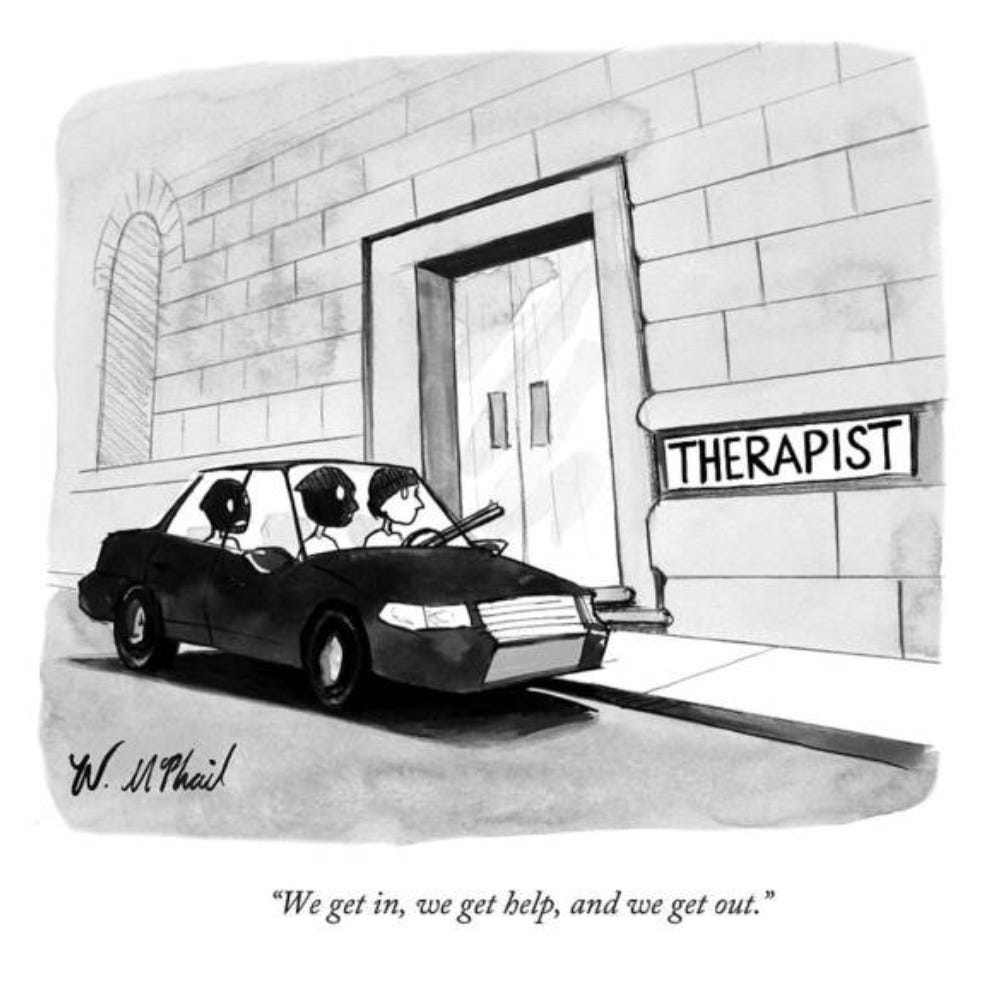
In my own life, I’ve seen a therapist on and off since I was a teenager. I’ve probably seen upwards of 12-13 (!) different therapists between couples and individual therapy. Some I saw for just a few sessions, others for several years. Reflecting back, it’s a sobering a number. That’s a lot of time spent on therapy, and a whole lot of money. Often, it was the biggest line item in my monthly budget after NYC rent.
I’m grateful I’ve had the means to do on-going therapy, and I’m grateful that my persistence led to major shifts in my mood and my quality of life. And along the way, I did become well versed in the art of finding, vetting, and working with a licensed mental health professional.
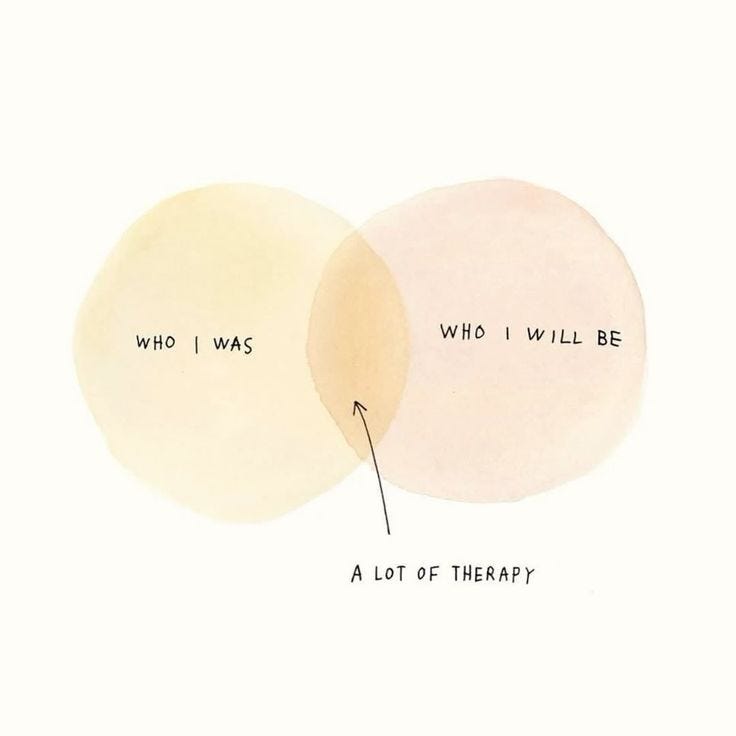
Last week, The New York Times published this Op-Ed about how we’re all talking about mental health more but not necessarily getting better. I thought the article was, to put in bluntly: not helpful, but in the comments section, I learned about the book Bad Therapy. I haven’t read it (and it seems controversial), but I do believe – with all due respect to the field and as a big proponent of individual therapy – that there are a lot of so-so therapists out there. I also believe that sometimes seeing a mediocre therapist can do more harm than good. It’s like seeing a doctor that isn’t helping you when you have a physical condition that is getting worse or festering.

Therapy is not unique in this regard. It’s like any other field or helping profession with good intentions and a range of skills, experiences, and expertise. Unfortunately, we’re often looking for a therapist at a time when we have limited capacity or energy to try something new and hard. Often, I see friends overwhelmed by the idea of an extensive search and make an appointment with the first person they find on Psychology Today. I get it. It’s a broken system. And yet, it’s makes a huge difference when you find a therapist that is effective and the right fit, and in my experience, this process usually takes some time and resources.
Here’s guidance I would give a friend who is looking for a therapist:
Take a few minutes to write down what you’re looking for. Before you get started, make a short list of why you’re going to therapy and what type of person you want to work with. It’s helpful to collect your thoughts first before you dive in.
Interview multiple therapists. Finding a therapist can be a bit like dating. You don’t necessarily want to marry the first person you meet online. Reach out to multiple therapists, and don’t hesitate to join someone’s waitlist if they seem like a fit. And don’t take it personally if some don’t get back to you (I’m always surprised that his happens, but it does!).
Ask for a free consultation. As part of your interviewing process, ask for a free consultation. Usually, this is a 15-20 min call to learn more about their practice, how they work, and get a vibe check. Even if the therapist doesn’t advertise free consultations, asking for one is a normal and perfectly acceptable thing to do.
If you can, try 1-2 sessions with two different therapists. If you are brand new to therapy and still figuring out what type of therapist is best for you, I highly recommend scheduling 1 or 2 sessions with two different therapists. You will learn a lot from the comparison, and it will quickly give you a sense of what you like and don’t like. It will also help you waste less time with the wrong person. Try and pay attention to any cues from your emotions and body after the session.
Know that therapists have specialties and areas of expertise. There are many different types of therapy (see this post and this post). Most therapists are trained in psychodynamic therapy in grad school and learn newer modalities like IFS, EMDR, SE, Narrative Therapy, etc after school. Do your own research about modalities, and spend some time thinking about what might be most relevant for you. For instance, there are therapists that specialize in postpartum, fertility issues, grief, gender affirming care, religious trauma, or supporting BIPOC clients. There are also therapists that focus on OCD, bipolar, eating disorders, or addiction. Specialization can make a huge difference and help you receive more attuned care. This is also something you can discuss in that free consultation call.
The most experienced therapists tend to be out of network. Many of you know this already. It’s not right, it’s not fair, and it’s a systemic issue. But the real talk is if you want someone more experienced, chances are they are going to be out of network. Every now and then, you can find a recent graduate who is very skilled or someone experienced in network who takes insurance. But sadly, that’s uncommon. I typically encourage friends to go straight to someone out of network and ask about sliding scales or out-of-network reimbursement with their insurance provider.
Ask about sliding scales. Given many experienced therapists are out of network, many offer a few sliding scale spots as part of their practice. Some advertise this openly, others do not. Either way, you can always ask about this or explain your financial situation to see if there is any room to accommodate a reduced rate.
Know that it’s going to take some time … but not too much time. Therapy is more art than science, and knowing if it’s working can be like trying to grab onto a cloud. That said, when I’ve worked with really good therapists, I have gotten a sense pretty quickly. My recommendation is try 3-4 sessions with a therapist and to trust your gut and intuition if it feels off. I believe it’s better to restart the search process and find an A+ fit than stay too long with someone that isn’t a match (again, very much like dating). Also, depending on your trauma history and background, know that change and growth can take several months or even years. For me, therapy has been a balance and push and pull of wanting to see real progress while also knowing this progress takes time.
You get what you put in. Like everything else in life, therapy is most effective when you’re fully engaged. A one hour a session a week can only do so much. It’s up to you/us to practice new skills between sessions – whether that’s homework, meditating, journaling, checking in with parts, or practicing self-compassion.
Serious trauma might require a different path. If you read my first posts, you know I’m not a huge fan of talk therapy. I think talk therapy gives you a good lay of the land but often doesn’t help address underlying dynamics. I think of it like trying to take out a weed by cutting it at the base rather than pulling up the whole root system. I prefer structured protocols like EMDR or IFS, which offer pathways to addressing subconscious parts and programming. I also think for smart, cerebral types, working with our subconscious or getting into our body through somatic work is especially helpful. We’re often already very good at talking.
Telehealth opens more options. There are many powerful benefits to seeing a therapist in person, and it also limits your pool of options. If you are open to telehealth and Zoom, you greatly expand the network of potential therapists. Just make sure they are in your state if you plan to submit for out-of-network benefits.
Questions to ask. Here are some questions to get you started on your search:
What kind of clients do you typically work with?
Do you have an area of speciality or specific modalities you work with?
What does progress look like to you?
Do you offer homework or support in between sessions?
How will I know if therapy is helping?
Good luck to all those who step on the path and kudos for having the courage to go inward and seek support! It’s a challenging system to navigate, so give yourself grace and patience as much as possible.
Resources:
Psychology Today: the main directory for therapists
Good Therapy: another popular directory
Open Path Collective: non-profit focused on increasing access and affordable therapy sessions
IFS Directory: directory for IFS therapists (note: they post both therapists and practitioners who may or may not be licensed mental health professionals)
NPR and I are in agreement! Here’s their article on finding a therapist.
Also, comments open below! I’d like to hear from anyone in therapy or curious about therapy. What has helped you? What advice would you give? What questions do you have for getting started?
This was so helpful!
Such excellent advice! Thank you!